How We Test Robot Vacuums
Transparent and objective testing ensures reliable ratings. Learn how we test every model and how the final score is calculated.
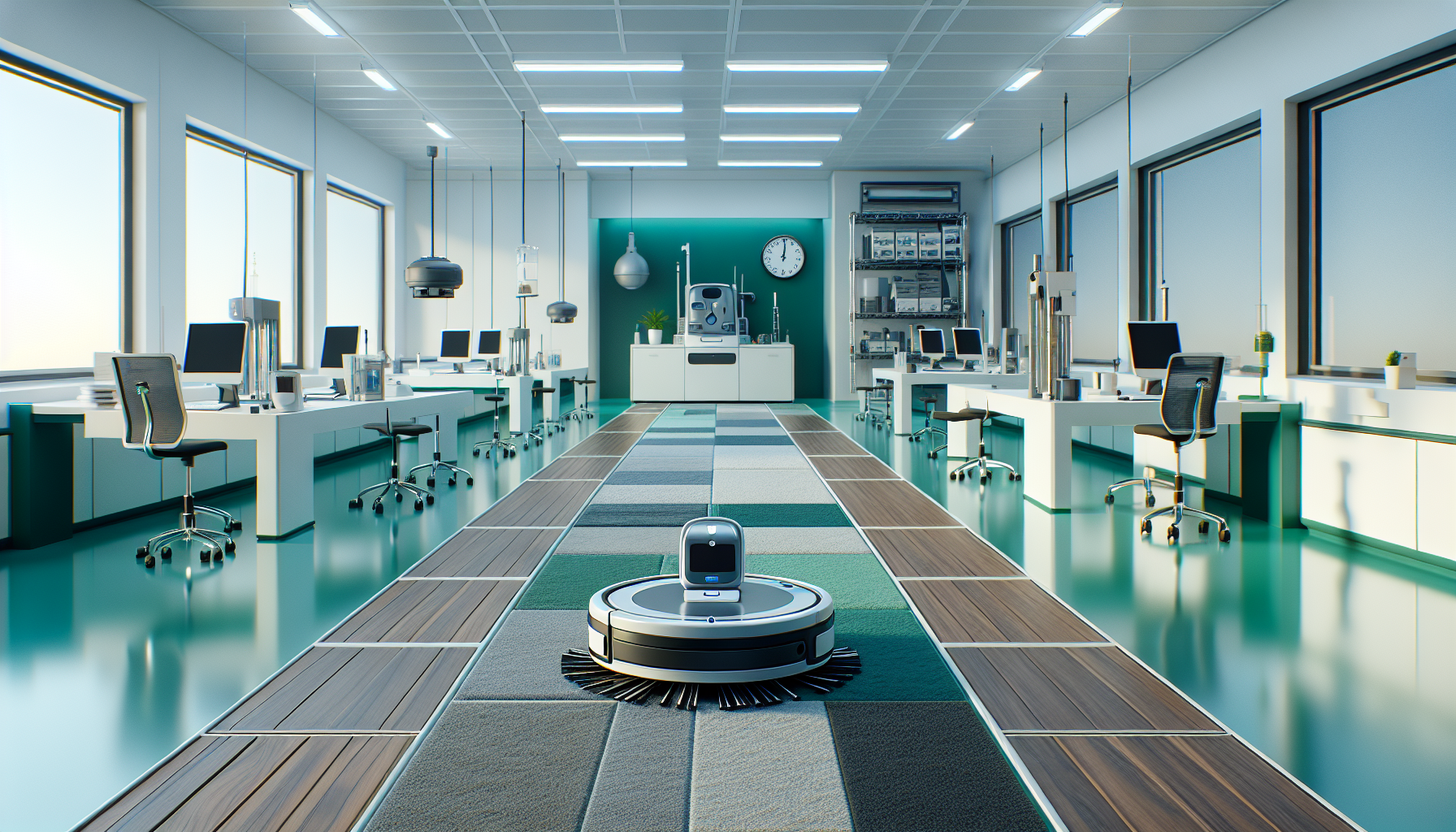
1. Test Environment
We test every robot vacuum in a standardized environment that includes various surface types and obstacles typical of a regular household.
Hard Floors
Hardwood, tile, and vinyl for testing basic cleaning and mopping.
Various Carpets
Low, medium, and high pile for testing suction power.
Thresholds
Simulating transitions between rooms and different surfaces.
Obstacles
Furniture, cables, and small objects for avoidance testing.
2. Suction Power Test
Suction power is a key factor for effective cleaning. We measure the vacuum's ability to pick up various types of debris on different surfaces.
Fine Dust
We test using 50g of flour spread over 1 sq meter. We measure the percentage collected.
Step 1 modelsCoarse Debris
We use cereal and rice to test the ability to pick up larger particles.
Step 2 modelsHair and Fur
Synthetic hair of various lengths simulates pet households.
Step 3 modelsDeep Cleaning
We embed sand in carpet and measure how much the robot can extract.
Step 4 models| Score | Description | Typical Result |
|---|---|---|
| 9-10 points | Excellent suction power | 95%+ debris collected |
| 7-8 points | Very good performance | 85-94% debris collected |
| 5-6 points | Average performance | 70-84% debris collected |
| 0-4 points | Below average performance | Less than 70% debris collected |
Obstacle Avoidance Testing
Modern robots use AI for identifying and avoiding obstacles. We test their capability in real-world conditions.
- Cables and cords: We monitor if the robot gets tangled or avoids them
- Socks and small items: We test AI object recognition
- Low furniture: We measure minimum clearance height
- Pets: We simulate moving obstacles
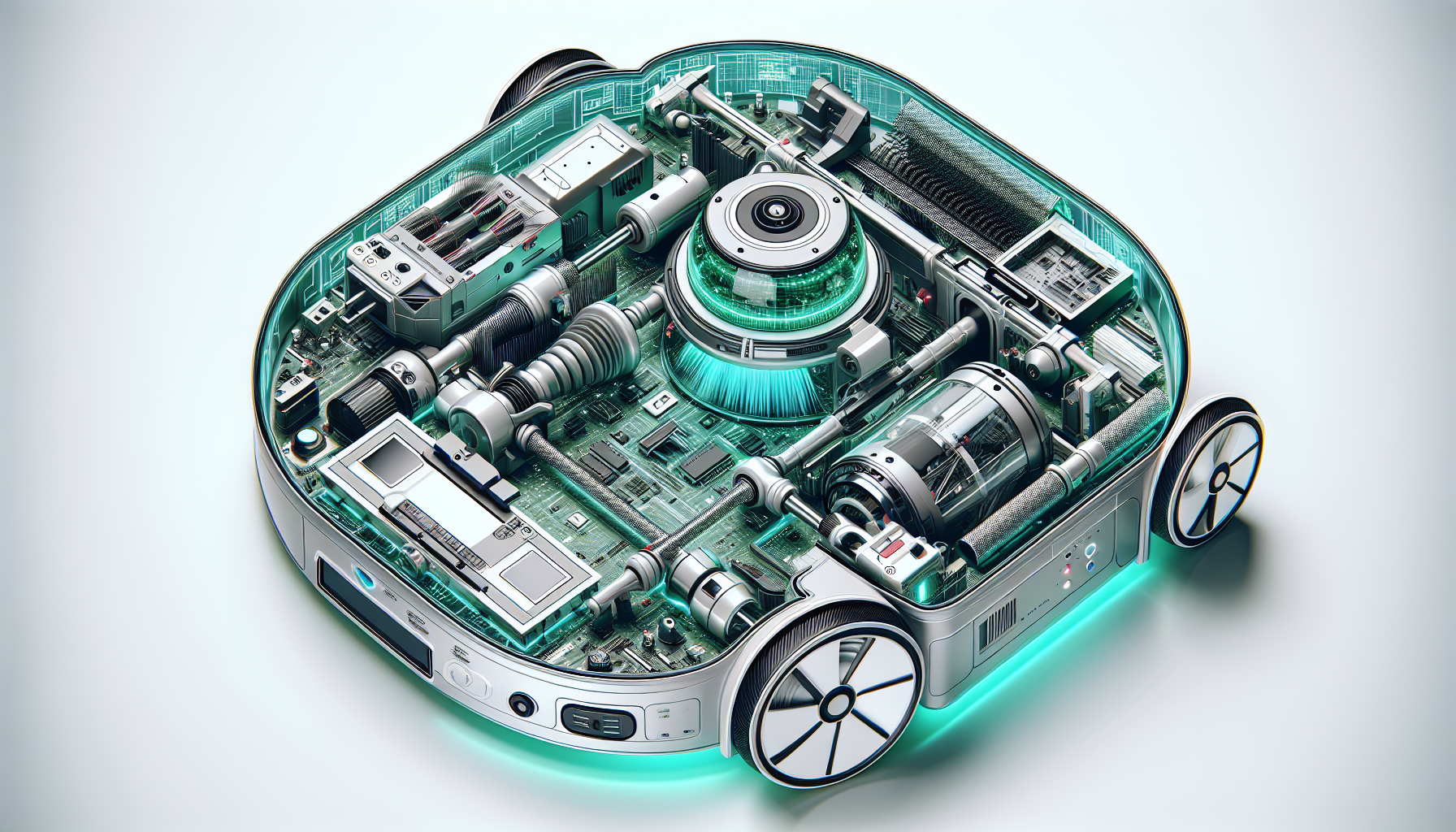
4. Mopping Test
For models with mopping function, we perform specialized wet cleaning tests on hard floors.
Fresh Stains
We test removal of coffee, juice, and sauce within 5 minutes.
Step 1 modelsDried Stains
24-hour old stains reveal the true power of the mopping system.
Step 2 modelsMoisture Uniformity
We check if the robot evenly moistens the entire area.
Step 3 modelsMop Lifting
We test automatic mop lifting when entering carpet areas.
Step 4 models5. Noise Level Test
We measure decibel levels at a distance of 1 meter from the robot in various operating modes.
| Mode | Typical Noise Level | Rating |
|---|---|---|
| Quiet Mode | 50-55 dB | Excellent |
| Standard Mode | 60-65 dB | Good |
| Turbo Mode | 70-75 dB | Acceptable |
| Max Mode | 75+ dB | Loud |
What Do Decibels Mean?
Normal conversation is around 60 dB, a class A vacuum cleaner around 70 dB. Most robot vacuums are quieter than traditional vacuums.
6. App and Features Test
We evaluate mobile app quality and available features for robot control.
App Interface
Clarity, intuitiveness, response speed and reliability.
Mapping & Scheduling
Mapping quality, room management, scheduling and automation.
Voice Integration
Support for Amazon Alexa, Google Assistant and Apple Siri.
No-Go Zones
Virtual walls and restricted areas for customized cleaning.
3D Mapping
Advanced 3D mapping and furniture recognition.
Video Streaming
Remote control and live video streaming from robot camera.
7. Overall Rating
The final score is a weighted average of all tested categories. Weights are adjusted based on product type.
| Category | Weight (Standard) | Weight (Premium) |
|---|---|---|
| Suction Power | 25% | 20% |
| Navigation | 20% | 20% |
| Mopping | 15% | 20% |
| Noise Level | 10% | 10% |
| App | 15% | 20% |
| Value for Money | 15% | 10% |
More Than Just First Impressions
We use each model in real-world conditions for at least 4 weeks. We monitor reliability and record errors and failures.
- Minimum 4 weeks: Each model in real-world conditions
- Reliability monitoring: We record errors and failures
- Rating updates: We adjust based on long-term experience
- Firmware updates: We test the impact of updates on performance
More Guides
Explore more helpful guides and tips.
