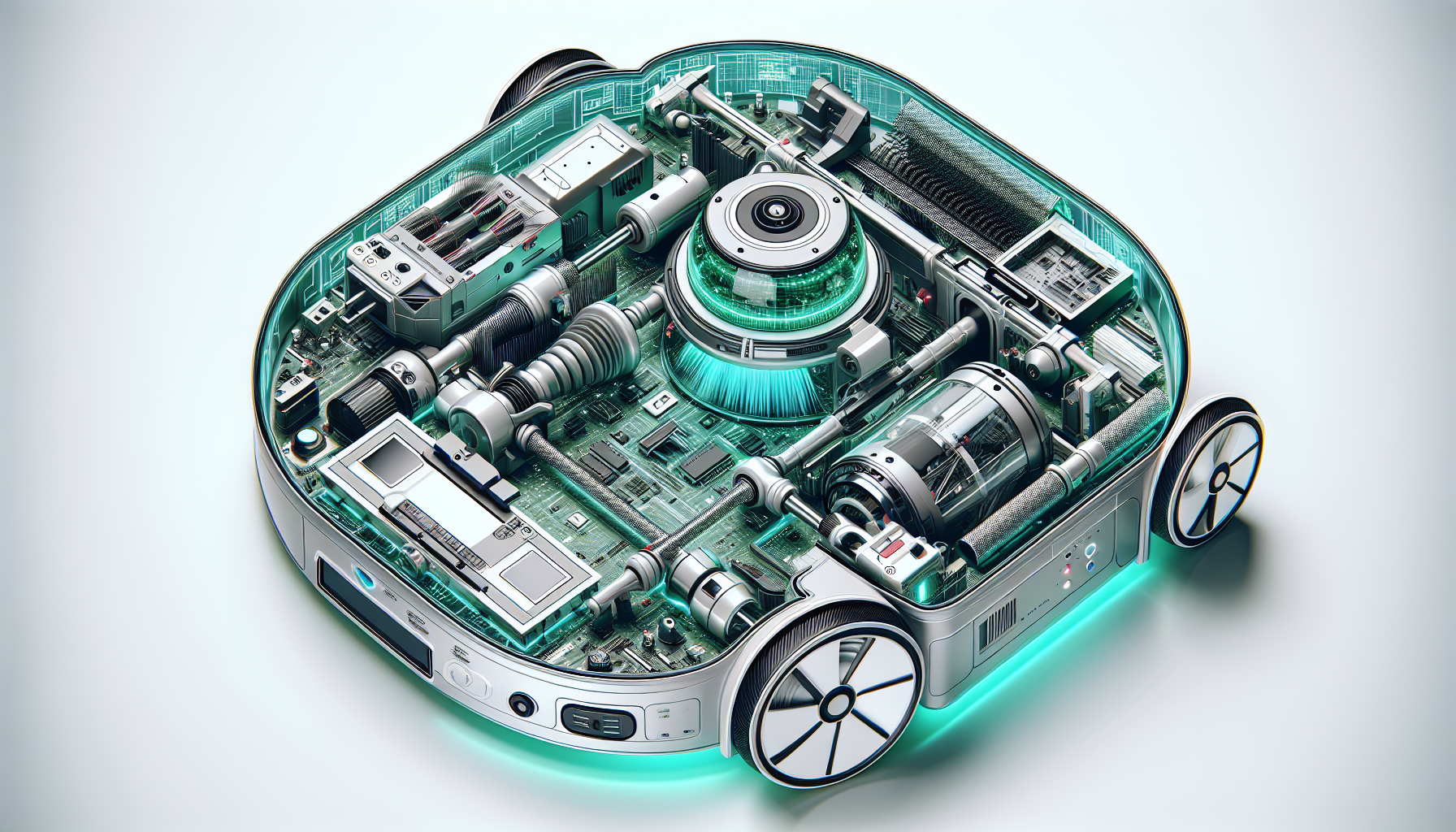
LiDAR Navigation
LiDAR (Light Detection and Ranging) uses a laser beam to create a precise 3D map of the space. The robot emits thousands of laser pulses per second and measures the time of their reflection from obstacles. The result is a millimeter-accurate room map that the robot uses for systematic cleaning.
Camera Navigation
Camera navigation uses optical sensors and computer vision algorithms. The robot analyzes visual markers on the ceiling or walls to determine its position. Modern systems combine cameras with AI for recognizing objects such as shoes, cables, or pets.
Gyroscope Navigation
The gyroscope measures angular changes in the robot's movement and, combined with accelerometers, tracks the distance traveled. This method is affordable but less accurate than LiDAR or camera. The robot doesn't remember the room map between cleanings and may occasionally miss some spots.
AI Obstacle Recognition
Artificial intelligence analyzes camera images in real-time and identifies specific objects. The robot recognizes cables, socks, pets, or children's toys and automatically avoids them. Some models can distinguish 100+ types of objects with over 95% accuracy.